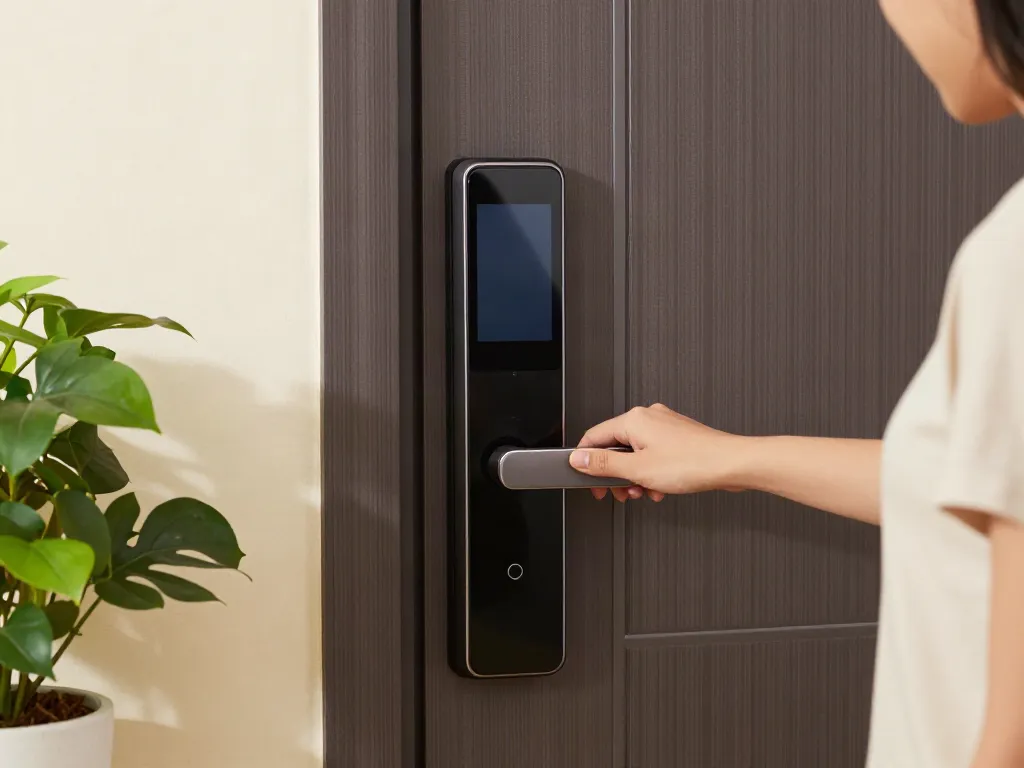
Understanding Smart Locks: Types and Features
As security technology evolves, smart locks have emerged as a more advanced alternative to traditional mechanical locks. These devices allow homeowners to secure their properties while providing enhanced convenience and accessibility. The market for smart locks is rapidly growing, with many options available that cater to different security needs and preferences. When exploring options, خرید قفل هوشمند can provide comprehensive insights to guide your decision-making process.
What are Smart Locks?
Smart locks are electronic locking devices that offer the ability to lock or unlock doors remotely through a smartphone application, keypad, or biometric identifiers. Unlike traditional locks, they may not require physical keys and often provide additional features such as remote monitoring, access logs, and integration with other smart home devices.
Key Features of Smart Locks
Smart locks come equipped with various features designed to enhance security and convenience:
- Remote Access: Unlock your door from anywhere using a smartphone app.
- Keyless Entry: Use codes, biometrics, or mobile devices instead of traditional keys.
- Access Control: Share temporary or permanent access with family and guests.
- Activity Monitoring: Track who enters and exits your home with real-time notifications.
- Integration with Smart Home Systems: Connect with other smart devices, such as security cameras and alarms.
Types of Smart Locks Available
Smart locks can be categorized based on their technology and features:
- Keypad Locks: Allow entry through a numeric code.
- Smartphone-Compatible Locks: Use Bluetooth or Wi-Fi for communication with your devices.
- Biometric Locks: Use fingerprint recognition for access.
- Smart Deadbolts: Enhance traditional deadbolts with smart technology.
- Combination Locks: Allow multiple access methods, such as keys, codes, and biometrics.
Benefits of Buying a Smart Lock
Enhanced Security
Smart locks offer superior security features compared to traditional locks. The encryption used in smart lock technology makes it difficult for unauthorized users to gain access. Additionally, many smart locks can alert homeowners to attempted break-ins, providing peace of mind.
Convenience and Accessibility
With smart locks, you can grant access to your home without needing to be physically present. This is particularly beneficial for families who might have older children coming home from school or guests arriving in your absence.
Remote Monitoring and Control
One of the standout features of smart locks is the ability to monitor and control access remotely. Through smartphone applications, users can see who is at their door, unlock it for visitors, or even lock it after realizing they forgot to do so.
Choosing the Right Smart Lock for Your Needs
Assessing Your Security Needs
Before purchasing a smart lock, assess your security requirements. Consider factors such as the location of the lock, the level of risk in your neighborhood, and the specific features that matter most to you.
Compatibility with Home Systems
Make sure that the smart lock you choose is compatible with your existing home automation systems. Many smart locks integrate well with systems like Google Home, Amazon Alexa, or Apple HomeKit, providing seamless control across devices.
Budget Considerations and Options
Smart locks are available at various price points. Consider your budget when selecting a lock, but remember that investing in a high-quality product can save money in the long run through enhanced security and durability.
Installation and Maintenance Tips
DIY Installation Guide
Many smart locks are designed for easy installation, typically involving the following steps:
- Remove the existing lock and deadbolt.
- Follow the manufacturer’s instructions to install the smart lock.
- Connect the lock to your home Wi-Fi and test its functionality.
Professional Installation: When to Consider?
If you're not comfortable with DIY projects, or if the lock requires complex configurations or integrations, hiring a professional installer is advisable. This ensures that the lock is properly installed and functioning correctly.
Regular Maintenance for Longevity
To maintain the functionality of your smart lock:
- Regularly check for software updates from the manufacturer.
- Inspect the lock for signs of wear and tear.
- Test the locking mechanism periodically to ensure it’s operating smoothly.
Future Trends in Smart Lock Technology
Emerging Technologies in Home Security
The smart lock market is continuously evolving. Upcoming trends include the integration of artificial intelligence and improved biometric technology, which will enhance security and user experience.
Integration with Smart Home Systems
As smart homes become more popular, smart locks will increasingly be integrated with other home automation systems, providing a more streamlined approach to home security.
Predictions for Smart Lock Developments by 2026
By 2026, we can expect to see substantial advancements in smart lock design, including improved durability, energy efficiency, and features that prioritize user convenience without compromising security.
Frequently Asked Questions
What should I consider before purchasing a smart lock?
Your specific needs, desired features, compatibility with existing systems, and budget are crucial considerations when selecting a smart lock.
How do smart locks enhance home security?
Smart locks utilize advanced encryption, offer remote monitoring capabilities, and provide detailed access logs, which can significantly enhance security over traditional locks.
Can smart locks work with my existing home setup?
Most smart locks are designed to integrate seamlessly with existing smart home systems, but it’s vital to check compatibility with your particular setup.
What is the average cost of a reliable smart lock?
While prices can vary widely, a reliable smart lock typically ranges from $100 to $300, depending on the features and brand.
Do smart locks require a lot of maintenance?
Generally, smart locks require minimal maintenance, primarily involving software updates and occasional inspections to ensure proper functionality.