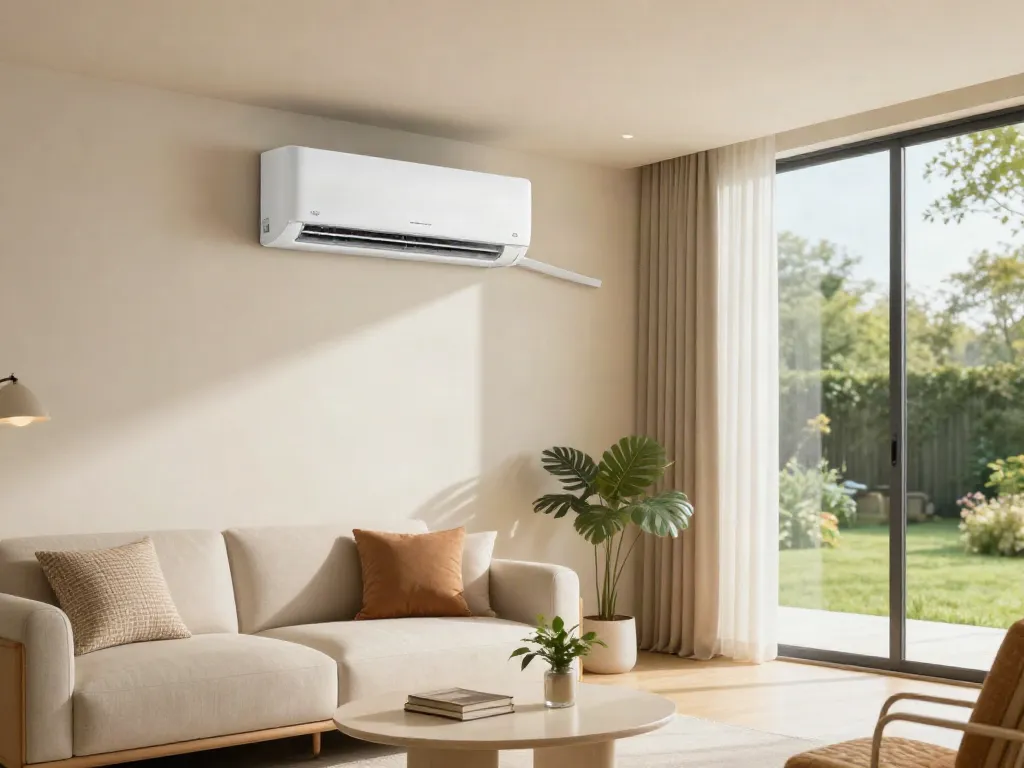
Understanding Mini Splits: What You Need to Know
In recent years, the popularity of mini split air conditioning systems has grown significantly, and for good reason. These ductless systems offer an efficient and versatile solution for heating and cooling spaces where conventional HVAC systems may fall short. Whether it's for a new home, a remodel, or a specific room addition, mini splits present an array of benefits that appeal to a variety of homeowners and renters alike.
What is a Mini Split System?
Mini split systems consist of two main components: an outdoor unit that houses the compressor and an indoor unit that distributes the air. Unlike traditional air conditioning systems that rely on ductwork, mini splits operate independently, which makes them an ideal choice for homes without existing ducts or those looking to avoid the energy losses associated with ducted systems. The flexibility of a mini split system means that you can control the temperature in individual rooms, allowing for tailored comfort throughout your living space.
Key Benefits of Using Mini Split Air Conditioners
There are several advantages to installing mini split systems, including:
- Energy Efficiency: Mini splits often have higher SEER ratings compared to traditional systems, meaning they consume less electricity and can lead to lower utility bills.
- Zone Control: With multiple indoor units, you can create different temperature zones within your home, which is not only comfortable but also energy-efficient.
- Easy Installation: Mini splits require minimal ductwork, which can save on installation costs and time.
- Quiet Operation: Modern mini splits are designed to operate quietly, contributing to a more peaceful home environment.
Different Types of Mini Split Systems Available
Mini splits come in several variations to cater to different needs:
- Single-Zone Systems: Ideal for cooling or heating a single room, these systems are perfect for additions or small apartments.
- Multi-Zone Systems: These systems can support multiple indoor units and are suitable for larger homes, allowing for customized temperature settings across different spaces.
- Heat Pump Mini Splits: These units can both heat and cool spaces, making them versatile for year-round use.
Preparing for Installation: Essential Considerations
Evaluating Your Home's Layout for Mini Split Placement
Before installation, it's crucial to assess your home's layout. Consider the size and number of rooms you want to condition, as well as the locations of windows and doors that could impact airflow. Understanding the space will help you determine how many units you need and where to place them for optimal performance.
Choosing the Right Mini Split System for Your Needs
When selecting a mini split system, several factors should be considered, including:
- BTU Rating: The British Thermal Unit rating will determine how much space the system can effectively heat or cool. Ensure you choose a model with an appropriate BTU rating for your room size.
- Energy Efficiency Ratings: Look for systems with high SEER ratings to maximize energy savings.
- Features: Consider additional features like programmable thermostats, remote controls, and Wi-Fi connectivity for smart home integration.
Tools and Equipment Needed for Installation
Installing a mini split system requires some specific tools and equipment, which may include:
- Drill and drill bits
- Level
- Measure tape
- Refrigerant lines
- Electrical wiring supplies
Step-by-Step Mini Split Installation Guide
Preparing the Installation Site
Before beginning the installation, clear the area where the indoor unit will be mounted. Ensure that it is away from any obstructions that could hinder airflow and that there is enough space for the outdoor unit.
Mounting the Indoor and Outdoor Units
Installation starts by securely mounting the indoor unit on the wall. The outdoor unit should be placed on a stable, level surface outdoors, ensuring it has adequate ventilation and is away from any debris or potential blockages.
Connecting the Refrigerant Lines and Electric Wiring
Once the units are mounted, connect the refrigerant lines that run between the indoor and outdoor units. Ensure that all electrical connections are secure and comply with local building regulations to avoid safety hazards.
Maintenance and Troubleshooting for Mini Split Systems
Regular Maintenance Tips for Optimal Performance
To keep your mini split system running efficiently, regular maintenance is essential. This includes:
- Cleaning or replacing air filters monthly.
- Checking for refrigerant leaks.
- Inspecting the drainage system for clogs.
Identifying Common Issues and Fixing Them
Common problems include:
- Inadequate Cooling/Heating: This may indicate a refrigerant leak or dirty filters.
- Unit Not Turning On: Check the power supply and remote control batteries.
When to Call in Professional Help
If you encounter issues beyond basic maintenance, or if your system requires complex repairs, it's advisable to contact a professional HVAC technician for assistance to ensure safety and compliance with regulations.
The Future of Mini Splits: Trends and Innovations
Energy Efficiency Improvements in 2026
As technology evolves, mini split systems are becoming even more energy-efficient. Innovations like variable-speed compressors can adjust output based on the heating or cooling demand, resulting in significant energy savings.
Smart Technology Integration in Mini Splits
Smart mini split systems are on the rise, incorporating features such as remote control via mobile apps, voice-activated commands, and compatibility with smart home systems, enhancing user experience and energy management.
Market Trends and Consumer Preferences
Consumer interest in sustainable and energy-efficient products is driving the demand for mini split systems. Moreover, the advent of eco-friendly refrigerants is addressing environmental concerns, making mini splits an attractive option for conscientious homeowners.