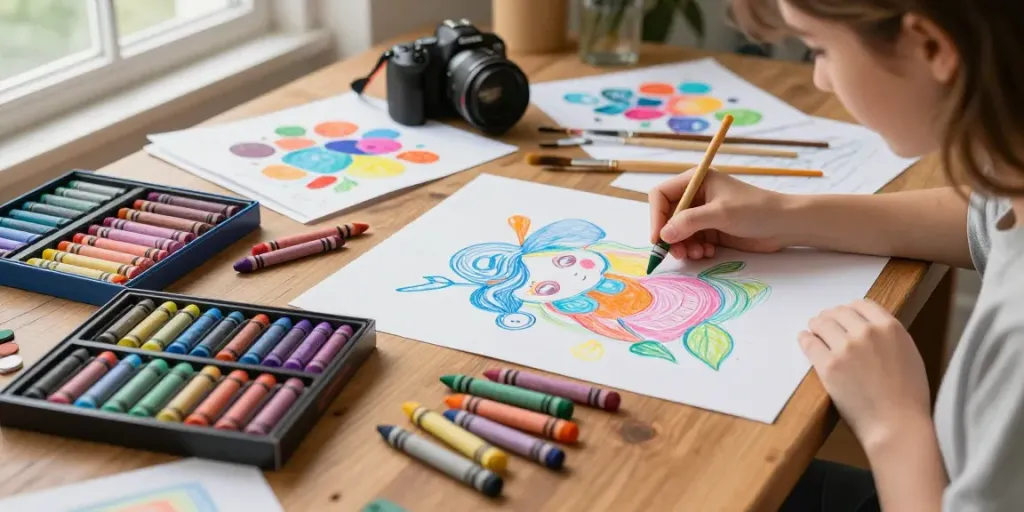
Understanding Different Types of Crayons
Crayons have been a beloved tool for artists and children alike for decades, offering a variety of colors and textures that can inspire creativity. As we delve into the world of crayons, it’s essential to understand the different types available in the market. The right type can make all the difference in your art projects, crafting, or even educational activities. From wax to plastic, fabric, and eco-friendly beeswax options, each crayon type serves a unique purpose and audience. When exploring options, crayon manufacturers provide comprehensive insights into these products, ensuring that consumers can make informed decisions.
What are Wax Crayons?
Wax crayons are perhaps the most recognized type of crayon, commonly found in homes, schools, and art studios. Made from a combination of paraffin wax and color pigments, these crayons offer vibrant colors at an affordable price point. Their popularity stems from their ease of use, making them suitable for children and beginners. Wax crayons are also praised for their versatility; they can be used on various surfaces, from paper to cardboard. One key advantage is their availability in bulk, which is beneficial for schools and art programs.
Exploring Plastic Crayons
On the other hand, plastic crayons offer a different artistic experience. Made from a blend of wax and plastic, these crayons can be molded into various shapes, making them ideal for creative projects that go beyond traditional drawing. They are less likely to break compared to their wax counterparts, which is a significant advantage in school settings where durability is essential. Additionally, plastic crayons provide a smooth application, allowing for dynamic shading and blending techniques that artists often seek.
Benefits of Fabric Crayons
Fabric crayons stand out for their ability to create permanent designs on fabric. This makes them ideal for craft projects, clothing design, and even educational purposes where children can personalize their items. After applying the crayon to fabric, a simple heat-setting process ensures that the colors remain vibrant through multiple washes. Many educators and parents appreciate fabric crayons because they encourage creativity while teaching children about art on different mediums.
The Role of Crayon Manufacturers in the Art Industry
Crayon manufacturers play a crucial role in the art industry by ensuring quality, safety, and innovation in their products. As consumer needs evolve, manufacturers must adapt, offering new solutions while maintaining high standards for their products.
How Crayon Manufacturers Ensure Quality
Quality control is paramount in crayon manufacturing, as subpar products can lead to dissatisfaction and safety concerns. Leading manufacturers implement strict quality assurance protocols throughout the production process, ensuring that every crayon meets industry standards. From sourcing materials to final product testing, companies prioritize durability, colorfastness, and overall performance. These quality measures enhance consumer trust and satisfaction.
Innovations by Leading Crayon Manufacturers
Innovation within the crayon market has led to the development of new products like glow-in-the-dark crayons, washable crayons, and even scented varieties. Manufacturers continually study consumer trends to introduce innovations that meet consumers' desires for unique art materials. Collaborations with artists and educators help guide these innovations, ensuring that products resonate with their target audience.
Comparing Manufacturers: A Case Study
When evaluating different crayon manufacturers, a case study comparison can provide insights into the strengths and weaknesses of leading brands. For instance, comparing traditional brands like Crayola with emerging companies can reveal how each addresses sustainability, safety, and diversity in their product lines. Such comparisons are invaluable for consumers looking to align their purchasing decisions with their values.
Eco-Friendly Practices Among Crayon Manufacturers
As environmental sustainability becomes a priority for consumers, crayon manufacturers are increasingly adopting eco-friendly practices. This section explores how these companies are addressing the demand for greener products.
Beeswax Crayons: The Sustainable Choice
Beeswax crayons are an excellent example of eco-friendly art supplies. Made from natural beeswax and non-toxic pigments, these crayons are biodegradable and do not contain harmful chemicals often found in traditional crayons. This makes them a popular choice among environmentally conscious parents and educators. The natural origins of beeswax also add a unique texture and scent that can enhance the drawing experience.
Reducing Waste in Crayon Manufacturing
Leading manufacturers are implementing practices to reduce waste during production. This includes recycling excess materials and adopting lean manufacturing techniques that minimize resource consumption. By focusing on sustainability, companies not only appeal to eco-conscious consumers but also contribute to broader environmental goals.
Consumer Trends Towards Eco-Friendly Products
Consumer preferences are shifting towards products that support sustainability. This trend is evident in the increasing demand for non-toxic and environmentally friendly crayons. Manufacturers that respond to these trends by producing greener options can better position themselves in a competitive market, attracting a demographic that values ethical and sustainable art supplies.
Cost-Effective Solutions for Bulk Crayon Purchases
For schools, organizations, and artists, purchasing crayons in bulk can yield significant cost savings. Understanding the market dynamics and pricing strategies of crayon manufacturers can help buyers make informed decisions.
Understanding Minimum Order Quantities
Many crayon manufacturers offer special pricing for bulk orders, but it's essential to understand their minimum order quantities (MOQs). MOQs can vary significantly between manufacturers, influencing the cost-effectiveness of bulk purchasing. Consumers should evaluate their needs and compare different suppliers to ensure they get the best deal.
Finding Wholesale Crayon Suppliers
Wholesale suppliers often provide a wide range of crayon options at competitive prices. It's advisable to source from reputable suppliers who also offer good customer support and flexible shipping options. Networking with other buyers and exploring industry trade shows can lead to valuable connections with reliable wholesale crayon suppliers.
Pricing Strategies from Top Crayon Manufacturers
Understanding the pricing strategies employed by top crayon manufacturers can provide insights into their market positioning. Factors such as production costs, brand reputation, and unique product offerings all contribute to pricing. Retailers and bulk buyers should consider these elements when negotiating purchase agreements or selecting manufacturers.
Future Trends in Crayon Manufacturing
The crayon industry is poised for exciting developments as technology and consumer preferences evolve. Staying ahead of these trends will be crucial for manufacturers and consumers alike.
Emerging Technologies in Crayon Production
Advancements in manufacturing technologies are likely to influence how crayons are produced. 3D printing, for instance, could allow for custom crayon shapes and designs tailored to individual preferences. This technology presents opportunities for personalization that could reshape consumer expectations.
Forecasting Market Demand by 2026
As the art supply industry continues to adapt, understanding future market demand is critical. Analysts predict that the market for crayons will grow as new generations of artists and crafters emerge. Furthermore, educational initiatives emphasizing art’s importance in child development will likely sustain demand for quality crayon products.
Consumer Preferences Shaping the Future
As consumers become more informed about environmental and health issues, their preferences will shape the future of crayon manufacturing. Manufacturers that prioritize transparency and ethical practices will have a distinct advantage in a market increasingly focused on sustainability.