Understanding Integrated Water Treatment Systems
Water scarcity and pollution are pressing challenges that demand innovative solutions. As industries and municipalities strive to meet their water needs, the importance of advanced water treatment solutions cannot be overstated. Integrated water treatment systems play a crucial role in addressing these challenges by providing efficient and sustainable options for water purification and wastewater management. In this article, we will explore the complexities of integrated water treatment systems, focusing on the offerings from Water Treatment System Manufacturer QILEE, a leader in this field.
What is a Water Treatment System?
A water treatment system is a set of processes designed to make water suitable for a specific purpose, whether it is for drinking, industrial use, or disposal. These systems are critical in ensuring that water meets safety and quality standards before it can be used. They can include a variety of technologies, such as filtration, disinfection, and chemical treatment, which work together to remove contaminants, pathogens, and other harmful substances from water sources.
Key Components of Effective Systems
Effective water treatment systems rely on several key components, including:
- Filtration Systems: These remove suspended solids, sediments, and larger particles from water, improving its clarity and quality.
- Disinfection Units: Essential for eliminating pathogens, these units can employ methods such as chlorination, UV treatment, or ozonation.
- Chemical Treatment Processes: These processes adjust the water's chemical composition, removing heavy metals and other contaminants.
- Pumping and Distribution Equipment: These components ensure that treated water is delivered to end-users or storage systems efficiently.
The Role of Containerization in Modern Solutions
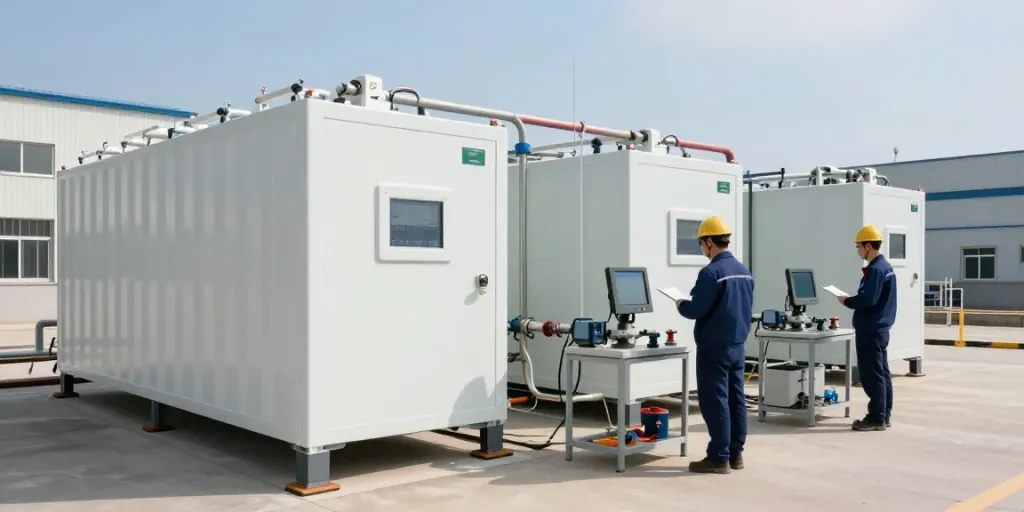
Containerized water treatment systems offer numerous advantages, especially in terms of deployment and modularity. These systems are prefabricated in shipping containers, making them easy to transport and install. The containerized design allows for rapid deployment in remote or emergency situations, making them ideal for disaster relief or areas with limited infrastructure. Additionally, they can be tailored to fit the specific needs of different environments, ensuring effective water treatment regardless of location.
Core Applications of QILEE's Water Solutions
QILEE's integrated water treatment systems are designed to address a broad spectrum of applications, catering to various industries and municipalities. Here are the six core application scenarios that highlight the versatility and effectiveness of QILEE’s offerings:
Pure and Drinking Water Treatment
Providing safe drinking water is a fundamental human right, and QILEE's systems are designed to ensure compliance with international health standards. Advanced filtration and disinfection technologies work in tandem to remove contaminants and pathogens, delivering high-quality drinking water. These systems are particularly beneficial in rural or underserved areas where access to clean water is limited.
Industrial Wastewater Management
Industries generating high-difficulty wastewater face significant challenges in treatment and disposal. QILEE specializes in creating customized solutions that manage the unique characteristics of industrial effluents effectively. These systems not only treat wastewater to meet regulatory standards but also recover valuable resources, such as water and energy, contributing to a circular economy.
Emergency and Mobile Treatment Services
In times of crisis, such as natural disasters or pandemics, the need for immediate and reliable water treatment solutions becomes critical. QILEE's containerized mobile treatment units can be rapidly deployed to affected areas, providing essential water supply and sanitation services. These units are equipped to handle various water sources, ensuring that communities receive the support they need during emergencies.
Innovative Technologies Driving Water Treatment
Advancements in technology are continually reshaping the landscape of water treatment, making processes more efficient and effective. QILEE harnesses cutting-edge innovations to enhance its systems, focusing on sustainability and resource recovery.
Advanced Filtration Techniques
QILEE employs state-of-the-art filtration methods, such as membrane technologies and activated carbon filters, to remove even the smallest particles and contaminants from water. These techniques ensure that water quality meets stringent safety standards, making them suitable for both industrial and municipal applications.
Real-time Monitoring and Management Systems
With the integration of IoT capabilities, QILEE’s systems feature real-time monitoring and management tools that allow operators to track water quality and system performance continuously. This data-driven approach enables timely interventions and optimizations, ensuring that treatment processes remain effective and compliant.
Future Trends in Water Treatment Technology
The water treatment industry is evolving rapidly, with emerging trends focused on sustainability, efficiency, and smart technologies. Innovations such as AI-driven analytics, decentralized treatment options, and the use of renewable energy sources are expected to play a significant role in shaping the future of water treatment solutions.
Challenges Faced by Water Treatment Manufacturers
Despite the advancements in technology and increasing demand for integrated water treatment solutions, manufacturers like QILEE encounter several challenges in the industry.
Addressing Regulatory Compliance
Navigating the complex landscape of environmental regulations can be daunting for water treatment manufacturers. Compliance not only requires a thorough understanding of local and international standards but also necessitates ongoing monitoring and reporting. QILEE’s commitment to quality ensures that all systems adhere to applicable regulations, simplifying the process for clients.
Overcoming Industry-Specific Obstacles
Different industries present unique challenges in water treatment, such as varying contaminant profiles and operational requirements. QILEE’s expertise in customizing solutions allows them to tackle these complexities head-on, providing tailored systems that effectively meet specific industry needs.
Maintaining Sustainability in Water Solutions
As global awareness of environmental issues rises, there is a growing emphasis on sustainability within the water treatment sector. QILEE is dedicated to developing systems that not only treat water effectively but also minimize waste and energy consumption, aligning with the principles of sustainable development.
How to Choose the Right Water Treatment Partner
When selecting a water treatment system manufacturer, businesses and municipalities must consider several factors to ensure they make an informed decision.
Evaluating Manufacturer Expertise
Look for a manufacturer with a proven track record in the industry. QILEE’s two decades of experience in designing, developing, and deploying integrated water treatment solutions place it among the most trusted providers globally.
Understanding Customization Options
Not every water treatment challenge is the same. Evaluate whether the manufacturer can provide customized solutions tailored to your specific needs. QILEE’s ability to adapt its systems for various applications ensures that clients receive the most effective treatment possible.
The Importance of After-Sales Support
After-sales support is crucial for maintaining system efficiency and addressing any potential issues. Ensure that the manufacturer offers comprehensive support, training, and maintenance services to maximize the longevity and effectiveness of your water treatment system.
What Are the Benefits of Integrated Solutions?
Integrated water treatment systems provide numerous advantages, including increased efficiency, reduced operational costs, and improved water quality. By consolidating multiple treatment processes into a single system, organizations can streamline operations and enhance overall performance.
Who Makes the Best Water Treatment Systems?
Determining the best water treatment systems involves assessing various factors, including technology, customization capabilities, and support services. QILEE stands out for its innovative solutions and commitment to customer satisfaction, making it a preferred choice for many organizations globally.
What Are the Largest Water Treatment Companies?
Several companies occupy top positions in the water treatment industry, each offering unique strengths. Brands like Veolia, SUEZ, and Xylem are recognized for their extensive portfolios and global reach. However, regional players like QILEE often provide tailored solutions that meet local demands effectively.
What Are the Top 5 Water Treatment Companies in the World?
While rankings may vary, companies like Veolia, SUEZ, Xylem, Pentair, and Evoqua frequently appear among the top water treatment companies globally. Each of these entities plays a crucial role in advancing water technology and sustainability initiatives.
What Are Some Major Water Treatment Companies in the USA?
The U.S. water treatment market is competitive, with major players such as EcoWater Systems, A.O. Smith, and Culligan International leading the charge. However, emerging companies like QILEE are gaining recognition for their innovative, integrated solutions that cater to specific market needs.