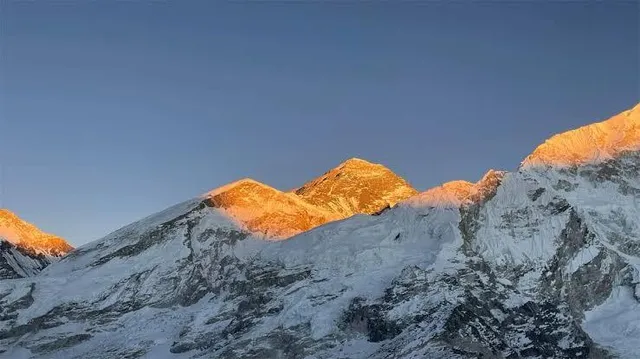
Nepal is home to some of the world's most spectacular trekking routes. From the famous Everest Base Camp Trek to the Annapurna Circuit and the remote trails of Manaslu, the country offers adventures for every type of traveler. However, choosing the right trekking company is just as important as choosing the destination.
There are hundreds of trekking companies in Nepal, and many offer similar itineraries, accommodation, transportation, and prices. At first glance, it can be difficult to understand what separates a reliable operator from an inexperienced one. The differences often become clear only after the trek begins.
A dependable trekking company helps you prepare properly, provides knowledgeable guides, arranges necessary permits, and takes responsibility for your safety and comfort throughout the journey. It also gives you honest information about the route, costs, and challenges instead of making promises that are difficult to keep.
So, how do you choose the best trekking company in Nepal? Here are ten important things to consider before making your decision.
1. Check the Company's Registration and Credentials
The first step is to confirm that the trekking company is legally registered and authorized to operate in Nepal. A professional website, attractive social media pages, or positive testimonials are not enough to establish that a company is legitimate.
Ask the company for its registration details and relevant tourism industry credentials. You can also check whether it is a member of the Trekking Agencies' Association of Nepal (TAAN). Membership provides an additional way to assess its involvement in Nepal's trekking industry, although it should not replace checking the company's legal registration.
For restricted-area treks such as Manaslu, Upper Mustang, and certain parts of Dolpo, ask whether the company can arrange the necessary permits and meet the applicable requirements.
A trustworthy company should be comfortable sharing its credentials. If an operator avoids answering questions about registration or cannot provide verifiable details, consider it a warning sign.
2. Look for Experience in Nepal's Trekking Industry
Experience matters when organizing a trek in the Himalayas. Mountain conditions, weather changes, transportation delays, altitude challenges, and local arrangements can make trekking more complicated than an ordinary holiday.
An experienced company is generally better prepared to manage these situations. It understands the trails, knows the local communities, maintains relationships with accommodation providers, and can make practical decisions when plans need to change.
However, do not judge experience only by the number of years a company claims to have operated. Look at the actual trips it organizes and whether it has experience with your chosen destination.
For example, if you are planning the Everest Base Camp Trek, ask whether the company regularly organizes trips in the Everest region. If you are interested in the Manaslu Circuit, check whether its team understands the route, restricted-area permit requirements, accommodation options, and conditions around Larkya La Pass.
You can also ask how frequently the company runs your chosen trek and whether it has experience handling groups with similar fitness levels and expectations.
3. Read Independent Customer Reviews
Customer reviews offer useful insight into what you can expect from a trekking company. They help you understand how an operator treats its guests before, during, and after a trip.
Start by checking independent platforms such as TripAdvisor and Google Reviews. You can also look at testimonials on the company's website, but do not rely on those alone.
Instead of focusing only on the overall rating, read individual reviews carefully. Pay attention to comments about:
- Guide knowledge, friendliness, and professionalism.
- Communication before and during the trek.
- Quality of accommodation and meals.
- Organization of transportation and permits.
- How the company handles unexpected problems.
- Whether the actual experience matched the advertised itinerary.
Recent reviews are particularly useful because a company's service quality, management, and trekking team can change over time.
Look for consistent feedback from different travelers rather than relying on one extremely positive or negative review. If several customers independently mention the same strengths or problems, those comments deserve attention.
4. Evaluate the Experience and Qualifications of the Guides
Your trekking guide has a major influence on your overall experience. A good guide does more than lead the way. They help you understand the landscape, local culture, mountain environment, and practical challenges of the journey.
Before booking, ask about the qualifications and experience of the guides who will accompany your trek. Find out whether they hold the required licenses and training, and whether they have guided your chosen route before.
A knowledgeable guide should be able to:
- Explain the route, daily walking distances, and elevation changes.
- Recognize possible symptoms of altitude sickness.
- Monitor the group's condition and walking pace.
- Provide basic first aid and respond to emergencies.
- Communicate effectively with local communities.
- Share information about local traditions, culture, and landscapes.
It is also worth asking whether the company provides a guide who speaks your preferred language.
Do not hesitate to ask who will lead your group and how much experience they have in the region. The quality of your guide can make a significant difference to your safety, confidence, and enjoyment.
5. Understand the Company's Safety and Emergency Procedures
Safety should be one of your biggest priorities when choosing a trekking company in Nepal. Even well-established trekking routes involve risks, particularly at higher elevations.
Altitude sickness, sudden weather changes, injuries, and difficult trail conditions can affect trekkers. A responsible operator should have clear procedures for dealing with these situations.
Ask the company how it manages altitude-related problems, what first-aid resources are available, and how it arranges emergency evacuation when necessary.
For high-altitude treks, find out whether the itinerary includes sufficient time for acclimatization. A company should not promise that you can safely complete a demanding trek simply by walking longer hours or removing rest days.
You should also ask:
- Does the guide carry a first-aid kit?
- Is emergency communication available during the trek?
- What happens if a trekker becomes seriously ill?
- Who coordinates an evacuation?
- What additional costs might arise during an emergency?
Helicopter evacuation may be necessary in some situations, but flights depend on weather, visibility, location, and operational conditions. Your travel insurance should cover trekking at the maximum altitude of your itinerary and emergency evacuation.
A reliable company will explain these arrangements clearly instead of making unrealistic guarantees.
6. Compare Trekking Packages and Prices Carefully
Price is an important factor when choosing a trekking company, but the cheapest package is not always the best value.
Different companies may advertise the same trek at noticeably different prices. This does not necessarily mean that one is overcharging or another is offering a better deal. The difference may come from the services included in the package.
For example, one company might include airport transfers, accommodation in Kathmandu, meals during the trek, permits, guide and porter services, and transportation. Another might charge separately for several of these items.
Before comparing prices, request a detailed breakdown of what each package includes.
Check whether the price covers:
- Accommodation in Kathmandu and during the trek.
- Meals and drinking water.
- Trekking permits and applicable entry fees.
- Guide and porter services.
- Transportation to and from the trekking region.
- Airport transfers.
- Staff insurance and necessary equipment.
- Emergency support and logistical arrangements.
Also ask about excluded expenses, such as international flights, travel insurance, personal snacks, hot showers, Wi-Fi, charging facilities, and tips.
Be cautious if a company's price is significantly lower than other comparable offers without a reasonable explanation. Very low prices can sometimes indicate reduced services, inadequate staff arrangements, or unexpected additional costs.
The best choice is not necessarily the most expensive company. It is the one that offers clear pricing, dependable service, and good value for your budget.
7. Check How the Company Treats Its Guides and Porters
A responsible trekking company should care about the people who make your Himalayan adventure possible.
Guides and porters work in challenging mountain environments. They spend long days on the trails, carry equipment, and help trekkers overcome physical and logistical difficulties.
Before booking, ask how the company looks after its staff. Find out whether guides and porters receive fair wages, suitable clothing, proper equipment, insurance, and appropriate accommodation and meals.
Porter welfare deserves particular attention. Porters should not be expected to carry excessive loads or work without adequate protection from cold, rain, and snow.
You can ask the company about its porter weight limits, staff insurance arrangements, and policies for supporting employees who become sick or injured during a trek.
Choosing an operator that treats its staff fairly supports responsible tourism and contributes to the local communities that depend on trekking.
8. Check Whether the Itinerary Is Realistic and Well Planned
A good trekking company should provide a detailed itinerary that matches your fitness level, available time, and travel expectations.
Do not choose an operator simply because it offers the shortest itinerary. Reducing the number of trekking days may sound convenient, but an overly demanding schedule can make the journey uncomfortable and increase the challenges of adjusting to altitude.
Review the itinerary day by day. Check the walking distance, estimated walking hours, overnight elevation, rest days, and major elevation gains.
For high-altitude routes such as Everest Base Camp, proper acclimatization is particularly important. Your itinerary should allow your body time to adjust as you gain elevation.
Also consider whether the company has included enough flexibility for weather delays and other unexpected changes.
A professional operator should explain why the itinerary is designed in a particular way and be willing to discuss adjustments based on your experience and physical condition.
9. Pay Attention to Communication and Customer Support
The way a trekking company communicates before your booking can tell you a lot about its service standards.
A reliable operator should respond to your questions clearly, provide accurate information, and help you understand what to expect. You should not feel pressured to make a quick decision or pay a deposit before receiving the information you need.
Notice whether the company:
- Responds to emails and messages within a reasonable time.
- Provides clear answers instead of avoiding difficult questions.
- Shares detailed itineraries and packing information.
- Explains permit, payment, and cancellation arrangements.
- Offers practical advice based on your experience and needs.
Good communication should continue after you make your booking. The company should help you prepare for the trek, explain arrival arrangements, and remain available if you need assistance.
A dependable trekking operator understands that international travelers may have many questions before arriving in Nepal. Patient and helpful communication makes the entire planning process easier.
10. Review the Booking Terms and Payment Policies
Before confirming your trek, carefully read the company's booking conditions. A professional operator should provide written information about deposits, remaining payments, cancellation policies, refunds, and changes to the itinerary.
Make sure you understand the payment schedule and use a payment method that provides a clear transaction record. Check that the payment recipient matches the company you have verified.
You should also ask what happens if the trek is cancelled or delayed because of bad weather, flight disruptions, natural events, or other circumstances beyond the company's control.
Pay particular attention to:
- Deposit and final payment deadlines.
- Cancellation and refund conditions.
- Changes to departure dates.
- Costs arising from itinerary changes.
- Additional expenses during emergencies.
- Minimum group size, if applicable.
Do not rely entirely on verbal promises. Important booking conditions should be documented in writing so that both you and the company understand the agreement.
Red Flags to Watch Out for When Choosing a Trekking Company
While comparing companies, look for warning signs that may indicate poor service or unreliable operations.
Some common red flags include:
- No verifiable company registration or relevant credentials.
- Prices that are unusually low without a clear explanation.
- No detailed itinerary or written list of package inclusions.
- Unclear information about guide experience and qualifications.
- No proper explanation of emergency procedures.
- Pressure to make immediate payments.
- Unclear cancellation and refund policies.
- Reviews that are consistently poor or raise repeated concerns.
One warning sign does not automatically prove that a company is unreliable. However, several warning signs together should make you reconsider your choice.
Final Thoughts: Choose Quality, Safety, and Trust
Choosing the best trekking company in Nepal requires more than comparing prices or selecting the operator with the most attractive website. It means finding a company that understands the mountains, employs experienced guides, prioritizes safety, treats its staff fairly, and communicates honestly.
Take time to compare at least two or three companies before making a decision. Ask questions, check independent reviews, verify credentials, and read the package details carefully.
Most importantly, choose a company that makes you feel informed and confident about your journey. A well-organized trek allows you to focus on what matters most: enjoying Nepal's incredible mountain scenery, experiencing its local culture, and creating memories along the trail.
The right trekking partner can make your Himalayan adventure safer, smoother, and far more rewarding.