Understanding BMW Steuerkette Wechseln
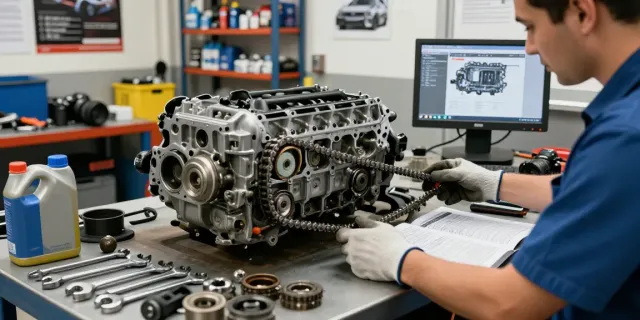
In the realm of automotive maintenance, one term that frequently arises for BMW owners is "Steuerkette," or timing chain. This critical component of the engine is responsible for synchronizing the movement of the crankshaft and camshaft, ensuring that the engine's valves open and close at the correct times during each cylinder's intake and exhaust strokes. Understanding the intricacies of the BMW timing chain, especially when it comes to replacement, is essential for maintaining the performance and longevity of your vehicle. When exploring options, bmw steuerkette wechseln provides comprehensive insights into this crucial maintenance task.
What is a Timing Chain?
A timing chain is a metal chain that ensures the proper timing of the engine's valves in relation to the crankshaft. Unlike a timing belt, which is made of rubber and can wear out more easily, timing chains are designed to last much longer and are typically found in BMW engines due to their durability and reliability. These chains are essential for the engine's overall operation and efficiency, ensuring that all components work harmoniously together.
Why BMW Timing Chains Are Unique
BMW vehicles, known for their engineering excellence, utilize timing chains as a robust solution for precise timing. Unlike some manufacturers who may use belts, BMW's choice for chains is due to their longevity and the high-performance nature of their engines. The unique design of BMW engines often requires a timing chain that can withstand greater stresses, especially in high-revving performance models. This choice not only enhances engine performance but also reduces the frequency of replacement, contributing to the overall reliability of BMW vehicles.
Common Issues with BMW Timing Chains
Despite their durability, timing chains are not immune to problems. Some common issues with BMW timing chains include:
- Chain Stretch: Over time, the chain can stretch, leading to a loss of synchronization and potentially causing engine performance issues.
- Worn Components: The sprockets and tensioners can wear out, leading to noise and possible chain slippage.
- Oil Flow Issues: Timing chains rely on proper lubrication; insufficient oil flow can lead to accelerated wear and failure.
Signs Your BMW Needs a Timing Chain Change
Recognizing the signs that your BMW may need a timing chain change is crucial for preventing catastrophic engine damage. Early intervention can save both time and money in repairs.
Recognizing Symptoms of Wear
Some indicators that your timing chain may be wearing include unusual engine noise, difficulty starting, or fluctuations in the engine's performance. If you notice any of these symptoms, it is essential to have your vehicle inspected as soon as possible.
Engine Noise and Performance Indicators
A rattling or ticking sound, especially during acceleration, can indicate that your timing chain is loose or damaged. Additionally, if your engine is misfiring or exhibiting a rough idle, it could be related to timing chain issues.
When to Seek Professional Help
If any symptoms arise, seeking professional help promptly is important. Ignoring these signs can lead to severe engine damage, resulting in costly repairs. Schedule a check-up at your local BMW service center to ensure your timing chain is in optimal condition.
The Process of BMW Steuerkette Wechseln
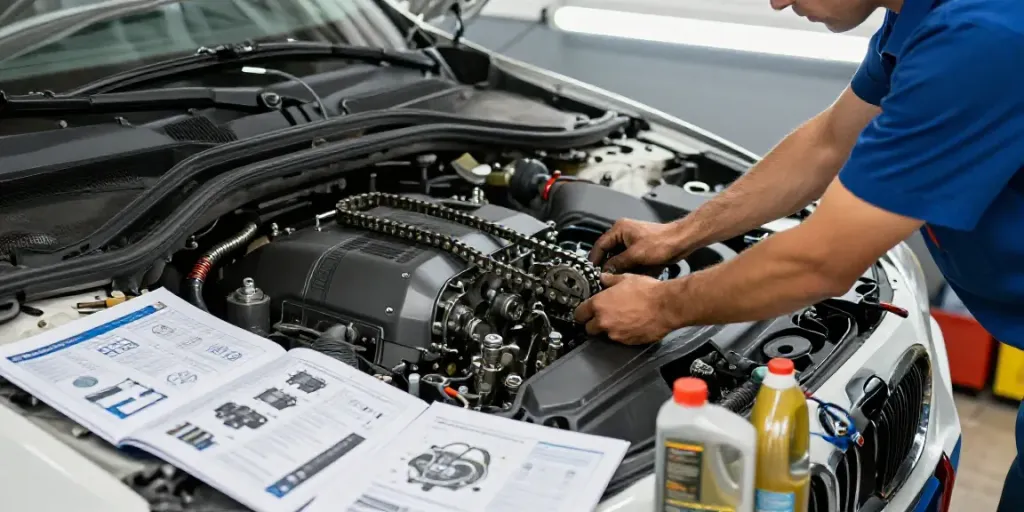
Replacing a timing chain involves a detailed process that requires specialized knowledge and tools. Understanding what this entails can help you decide whether to tackle the job yourself or seek professional assistance.
Step-by-Step Timing Chain Replacement Guide
The timing chain replacement process typically involves the following steps:
- Preparation: Ensure you have all necessary tools, including wrenches, sockets, and a torque wrench.
- Remove Necessary Components: This may include the engine cover, oil pan, and other parts obstructing access to the timing chain.
- Replace the Timing Chain: Remove the old chain and install the new one, ensuring correct alignment with the sprockets.
- Reassemble: Replace all components that were removed and double-check the integrity of the installation.
Essential Tools and Equipment Needed
Essential tools for a timing chain replacement include:
- Socket set
- Torque wrench
- Engine hoist (if necessary)
- Oil and lubricants
Safety Precautions During Replacement
Safety is paramount when working on your vehicle. Always disconnect the battery, use appropriate jack stands, and ensure the engine is cool before beginning any work. Wearing safety goggles and gloves is also recommended to prevent injury.
Cost Considerations for BMW Timing Chain Changes
The cost of replacing a timing chain can vary widely based on several factors, including the model of the BMW, labor costs in your area, and whether you choose to do it yourself or hire a professional. Understanding these factors can help you budget accordingly.
Factors Influencing Replacement Costs
Key factors that influence replacement costs include:
- Model Year: Newer models may have more complex systems, increasing labor costs.
- Labor Rates: Geographic location plays a significant role in determining labor costs.
- Parts Prices: High-quality OEM parts will cost more than aftermarket options, impacting overall expenses.
Comparing DIY vs. Professional Services
While performing a timing chain replacement yourself can save money, it requires expertise and access to tools. Professional services offer the advantage of experience and warranty on their work, making it a safer choice for most owners.
What to Expect from Different Service Centers
When seeking professional help, expect varying quotes based on the service center's reputation, experience, and location. Always compare prices and read reviews before selecting a service center to ensure quality work.
Future Trends in BMW Timing Chain Technology
The automotive industry is evolving rapidly, and BMW is at the forefront of innovation. Understanding future trends in timing chain technology can prepare you for what to expect in upcoming vehicle models.
Innovations to Watch for in 2026
In 2026, we may see advancements in materials used for timing chains, leading to improved durability and efficiency. Additionally, innovations in engine design could result in timing chains that are lighter and more efficient, contributing to better fuel economy.
Potential Changes in Maintenance Guidelines
As technology advances, BMW may revise maintenance guidelines for timing chains, potentially recommending longer intervals between replacements. Keeping abreast of official updates is crucial for maintaining your vehicle’s performance.
How to Stay Updated on Best Practices
Stay informed about best practices for timing chain maintenance by following automotive news, joining BMW owner forums, and consulting your vehicle’s manual regularly. Knowing the recommended intervals and maintenance tips can greatly extend the life of your engine.
What is the cost to replace the BMW timing chain?
The cost can vary but typically ranges between $1,100 and $2,200 depending on several factors, including the specific model and service center.
When should the timing chain be replaced in BMW?
While timing chains are designed to last, it’s often recommended to inspect them every 100,000 miles and replace them if any wear or noise is detected.
What BMW models are affected by timing chain problems?
Models like the BMW N47 diesel engine have been known to have issues with timing chains. Regular maintenance checks can help catch problems early.
How can you tell if your timing chain needs to be replaced?
Signs of a failing timing chain include rattling noises, engine misfire, or warning lights on your dashboard. Regular oil changes can help extend the life of your timing chain.
Is replacing the timing chain worth it for BMW owners?
Yes, replacing a timing chain is essential for the longevity of your engine. Ignoring replacement can lead to severe engine damage, making timely replacements a worthwhile investment.