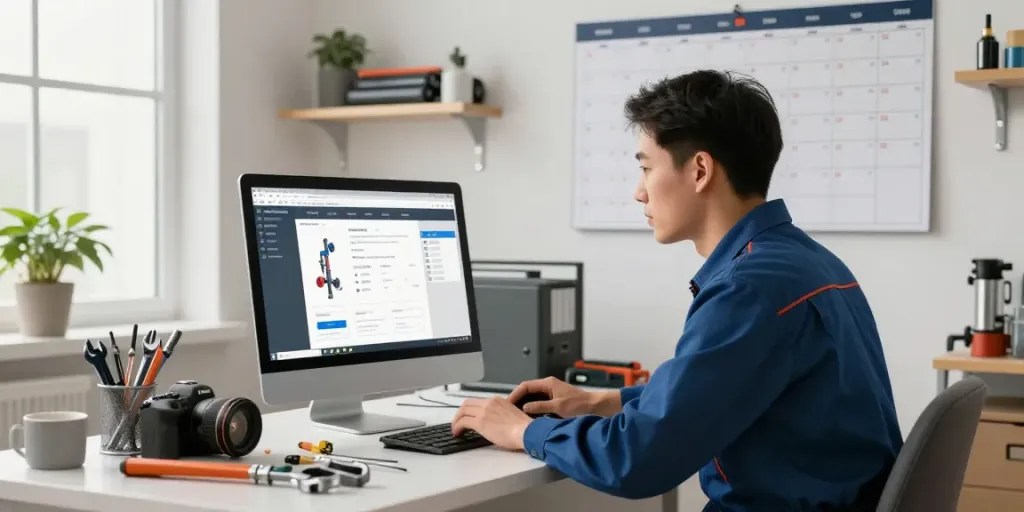
Understanding the Importance of Plumbing Business Software
In the fast-paced world of plumbing, efficiency and organization are paramount. Plumbing business software has emerged as an essential tool for plumbers and contractors, enabling them to streamline their operations and enhance service delivery. From managing appointments to invoicing clients, the right software can significantly impact profitability and customer satisfaction. When exploring options, Plumbing Business Software provides comprehensive insights into choosing the best solutions tailored for your needs.
Benefits of Using Plumbing Business Software
The adoption of plumbing business software comes with numerous benefits that can transform how plumbing professionals operate. Key advantages include:
- Time-saving: Automating tasks such as scheduling and invoicing frees up valuable time for plumbers to focus on their core skills.
- Improved Customer Service: Quick access to customer history and service records allows plumbers to provide informed and timely responses to inquiries.
- Increased Accuracy: Reducing manual paperwork minimizes errors in estimates, invoices, and service records, ensuring a smoother workflow.
- Enhanced Financial Management: Integrated accounting features help track expenses, manage cash flow, and streamline tax preparation.
Common Features of Plumbing Business Software
While features may vary among different software solutions, several common functionalities are essential for plumbing businesses:
- Job Scheduling: An intuitive calendar allows for easy scheduling and rescheduling of jobs, minimizing conflicts.
- Dispatch Management: Efficient dispatch of technicians based on proximity and skill level can enhance response times for emergency services.
- Customer Relationship Management (CRM): A robust CRM system helps to maintain customer information, track interactions, and nurture relationships.
- Invoicing and Payment Processing: The ability to create invoices directly from job details and accept payments electronically simplifies billing.
- Reporting and Analytics: Insightful reports on performance metrics enable business owners to make data-driven decisions.
How Plumbing Software Solutions Enhance Efficiency
Implementing plumbing software can lead to remarkable enhancements in operational efficiency. For instance, real-time tracking of job statuses allows management to quickly address delays, while integrated communication tools facilitate quicker information exchange between office staff and field technicians. Moreover, with mobile access to the software, plumbers can update job statuses and access customer information on-the-go, contributing to a more efficient service delivery.
Choosing the Right Plumbing Business Software
Finding the right plumbing software solution tailored to your business needs involves careful evaluation of various options. The process can seem daunting, given the multitude of available tools and features. However, focusing on key factors can simplify the decision-making process.
Key Factors to Consider When Selecting Software
When evaluating plumbing business software, consider the following:
- Scalability: Choose software that can grow with your business, accommodating an increasing number of users and features.
- User-Friendliness: Software should be intuitive and easy to navigate for all team members, minimizing the learning curve.
- Customer Support: Opt for solutions with strong customer support and educational resources to assist during implementation and ongoing use.
- Cost: Analyze the pricing structure to ensure it aligns with your budget, considering both upfront costs and recurring fees.
Comparison of Top Plumbing Business Software
Several software solutions cater specifically to plumbing businesses. Here’s a brief overview of some of the leading options:
- Jobber: Known for its robust scheduling and invoicing capabilities, Jobber ranks high with users for its ease of use and comprehensive features.
- ServiceTitan: This software excels in marketing automation and CRM features, making it ideal for larger plumbing businesses seeking growth.
- FieldEdge: Targeted towards field service management, FieldEdge provides robust dispatching tools and mobile capabilities.
- Housecall Pro: This platform offers a combination of job scheduling, customer notifications, and invoicing, perfect for small to medium-sized businesses.
Reviews and Testimonials from Users
User reviews can provide invaluable insights into the strengths and weaknesses of plumbing business software. Considerations from current users often highlight the software's usability, customer service responsiveness, and the effectiveness of the features in enhancing day-to-day operations. Platforms like Reddit and specialized forums often host discussions where plumbers share their experiences, guiding potential buyers in their decision-making process.
Implementation Strategies for Plumbing Software
Successful implementation of plumbing software is crucial to maximizing its benefits. A structured approach can ensure a smooth transition and promote user adoption within your team.
Step-by-Step Guide to Implementing Plumbing Software
Here’s a guideline for implementing plumbing business software:
- Assessment: Evaluate your current processes to identify areas where software can enhance efficiency.
- Selection: Choose software that best fits your business needs based on the factors discussed previously.
- Setup: Work with the software provider to ensure proper setup, including importing existing data.
- Training: Organize training sessions to familiarize your team with the software’s functionalities.
- Monitoring: After implementation, monitor usage and gather feedback to address any challenges promptly.
Training Your Team on New Software Solutions
Effective training is a cornerstone of successful software implementation. Focus on providing hands-on training that allows team members to explore the software's features and functionalities. Additionally, consider creating user manuals or video tutorials that can serve as references post-training.
Common Pitfalls to Avoid During Implementation
Avoid these common pitfalls during the software implementation process:
- Insufficient Training: Not providing thorough training can hinder user adoption and lead to underutilization of software features.
- Neglecting User Feedback: Ignoring team input regarding software functionality can result in unaddressed issues that affect operations.
- Skipping Data Migration Testing: Failing to test imported data can lead to inaccuracies and operational disruptions.
Maximizing the Benefits of Plumbing Business Software
Once your plumbing software is implemented, the focus shifts to maximizing its benefits. This involves ongoing integration with your existing operations and leveraging the data it provides for strategic growth.
Integrating Software with Your Existing Operations
To get the most out of your plumbing business software, ensure it integrates seamlessly with your current systems. This may involve connecting it to payment processing platforms, accounting software, or customer communication tools. A smooth integration removes data silos and facilitates a more holistic view of your business operations.
Leveraging Analytics for Business Growth
Many plumbing business software solutions come with built-in analytics that can provide insights into customer behaviors, job performance, and financial metrics. Use this data to make informed decisions that can drive growth, such as identifying profitable service areas, optimizing resource allocation, or fine-tuning marketing strategies.
Customer Relationship Management with Software Tools
Utilizing the CRM capabilities of your plumbing software can enhance customer satisfaction and loyalty. Track customer interactions, manage feedback, and personalize communication to foster lasting relationships. Automated reminders for routine maintenance can also prompt recurring business and improve customer engagement.
Future Trends in Plumbing Business Software
The plumbing industry continues to evolve, and software solutions are at the forefront of this transformation. Keeping an eye on emerging trends can help plumbing businesses stay ahead of their competition.
Emerging Technologies in Plumbing Software
Innovations such as artificial intelligence (AI) and the Internet of Things (IoT) are beginning to reshape plumbing software. AI can enhance predictive maintenance and customer engagement through chatbots, while IoT devices can provide real-time data from plumbing systems, helping professionals address issues proactively.
Predictions for Plumbing Software in 2026 and Beyond
As we look toward 2026, expect plumbing software to become even more integrated with mobile technology, offering more robust field service management capabilities. Additionally, the rise of subscription-based pricing models may make high-quality software more accessible to smaller plumbing firms, leveling the playing field.
How to Stay Ahead of the Competition with Technology
To maintain a competitive edge, plumbing businesses should continuously assess their technology needs and adapt accordingly. Regularly updating software, participating in industry forums, and learning from peers can help identify the latest trends and best practices. Investing in technology not only improves efficiency but also enhances customer service, ultimately driving growth.
What software do plumbers use?
Plumbers typically use software that specializes in job scheduling, invoicing, and customer relationship management. Popular options include Jobber, ServiceTitan, and Housecall Pro, each offering unique features tailored to the plumbing industry.
How to run your own plumbing business?
Running your own plumbing business involves a combination of technical skills, effective management, and customer service. It's essential to establish clear processes, invest in quality tools and software, and build a strong brand to attract and retain clients.
What is the best software for plumbing design?
The best plumbing design software often includes advanced functionalities for creating detailed plumbing plans, such as AutoCAD and Revit. These tools cater to the specific needs of plumbing design, including pressure calculations and compliance with building codes.
What is the best app for plumbing contractors?
The best app for plumbing contractors should offer features that streamline operations, such as job scheduling, invoicing, and customer communication. Apps like Jobber and Service Fusion are frequently recommended due to their comprehensive functionalities.
Can plumbing software help with job scheduling?
Yes, plumbing software can significantly improve job scheduling by providing an organized calendar, allowing for easy assignment of jobs based on technician availability and location. This enhances efficiency and helps to minimize scheduling conflicts.